The importance of technological convergence for institutions and audience
The technologies that have been introduced in recent years at the levels of production, distribution, marketing and exchange
What significance does the continuing development of digital media technology have for media institutions and audiences
Discuss the issues raised by media ownership in the production and exchange of media texts in your chosen media area.
Thursday, 8 December 2011

Past Exam Question (Class Practice)
The importance of cross media convergence and synergy in Production, Distribution and Marketing.
Remember to note down what the terms mean!
media convergence: various types of media coming together to produce, distribute and market your product.
Synergy: two or more agents which have come together to produce, distribute and market your product
Structure:
Introduce your question and what you will be discussing within your answer.
"Cross media convergence and synergy can be seen in all three areas of production, distribution and marketing of a video game. For this question i will be discussing the importance of synergy and media convergence in my two case studies, which are Red Dead Redemption and Angry Birds".
Discuss and analyse areas in turn: You may want to start with production and then move onto distribution and marketing.
discussion of the use of media convergence and synergy for both your case studies.
during the production stage of your case studies has the producers used media convergence and/or synergy? how important was this in the making of the game? answer via comparing the two games.
how did your two games use media convergence and/or synergy when distributing and marketing the game? how important was this at the release stage? did one company use a technique or method that the other never? why might this be the case? has this made a difference in the distribution and marketing or either game?
Conclusion: summerise your main answer, apply brief sentences which answer the question and add in own perspective
"Refering back to the two case studies i have analysed, it is apparent that both media convergence and synergy has played an important role in both RDR and in Angry Birds. Through all stages of production, distribution and marketing RockStar have proven to work with other media companies and other agents to get the game from developer to consumer. Although RockStar is a vertically intergrated company and Rovio an independent horizontally intergrated company, it is still apparent that both companies have synergised with other media agents and companies in areas such as cross promotion, working with other media companies (music industry) and during the release of the game. However, due to the scale of the budgets and company status you can identify that media convergence and synergy has been apparent in RDR at a much laregr scale. This does not however mean that Angry Birds was a failure as Angry Birds in turn also did very well in terms of popularity. "
Remember to note down what the terms mean!
media convergence: various types of media coming together to produce, distribute and market your product.
Synergy: two or more agents which have come together to produce, distribute and market your product
Structure:
Introduce your question and what you will be discussing within your answer.
"Cross media convergence and synergy can be seen in all three areas of production, distribution and marketing of a video game. For this question i will be discussing the importance of synergy and media convergence in my two case studies, which are Red Dead Redemption and Angry Birds".
Discuss and analyse areas in turn: You may want to start with production and then move onto distribution and marketing.
discussion of the use of media convergence and synergy for both your case studies.
during the production stage of your case studies has the producers used media convergence and/or synergy? how important was this in the making of the game? answer via comparing the two games.
how did your two games use media convergence and/or synergy when distributing and marketing the game? how important was this at the release stage? did one company use a technique or method that the other never? why might this be the case? has this made a difference in the distribution and marketing or either game?
Conclusion: summerise your main answer, apply brief sentences which answer the question and add in own perspective
"Refering back to the two case studies i have analysed, it is apparent that both media convergence and synergy has played an important role in both RDR and in Angry Birds. Through all stages of production, distribution and marketing RockStar have proven to work with other media companies and other agents to get the game from developer to consumer. Although RockStar is a vertically intergrated company and Rovio an independent horizontally intergrated company, it is still apparent that both companies have synergised with other media agents and companies in areas such as cross promotion, working with other media companies (music industry) and during the release of the game. However, due to the scale of the budgets and company status you can identify that media convergence and synergy has been apparent in RDR at a much laregr scale. This does not however mean that Angry Birds was a failure as Angry Birds in turn also did very well in terms of popularity. "
Thursday, 24 November 2011
12C Homework Research Task
This task requires you to research into example games and developers which have used or are invloved with the following terminologies:

Media Ownership, Media Convergence, Technological Convergence, Synergy, Proliferation, First Party Game, Second Party Game, Third Party Game, Vertical Intergration and Horizontal Intergration.
You must give specific examples.
This task would assess your knowledge on the above terms.
Here is an example below:
Media Convergence: video game: Gears of War: Epic Games worked with Sumthing Else Music Works on the video game soundtrack. Music+videogame = media convergence.
Synergy: video game: Gears of War: the above example also links into synergy at a production level. two agents are working together at the production stage to create a better product.
Also Synergy can be applied at a related product point of view which would take place during the marketing stage. video game: Gears of War: Newline Cinema + Epic Games working together to produce a film adaptation of the game = Synergy.
Proliferation: video game: Angry Birds: puzzel video game: IPhone App production increase in such games through popularity of consumption.
Technological Convergence: video game: Angry Birds: released for the Apple iOS 2009. Produced and distributed for this technologically converged device.Later had to go back to the product stage in order to create versions for other devices e.g.personal computers + gaming consols. An effect from proliferation.
Media Ownership: video game: Call Of Duty: developed by Infinity Ward: Published by Activision who also have the legal IP rights.
First Party Game: Produced by the manufactorer of the primary company or company which has been aquired by the manufactorer. Naughty Dog Inc aquired by Sony in 2001: Game: crash bandicoot.
Second Party Game: an independent developer making games soley for one manufactorer. Game Freak developing games for Nintendo: Game: Pokemon
Third Party Game: company which is different from the consol company. this could be a hardware or software product. EA Games: develop games for Sony PS3 etc. Accessories like headsets could be referred to as third party headsets-company of the headset is different from the consol company.
Vertical Intergration: A single firm which is involved in all aspects of a product- Rockstar Games
Horizontal Intergration: This is interwined with Synergy: company that works with others- e.g. developer amd distributer are different.


Tuesday, 22 November 2011
Synergy Explained
Synergy video games
View more presentations from cigdemkalem
Simultaneous Release, Cross Promotion and Related products are examples of Synergy at a MARKETING level. However, you must also consider Synergy at a PRODUCTION and DISTRIBUTION level. Here is how you can do that:
PRODUCTION: so, synergy is about a larger effect which has come about from two or more agents which could not be done at an individual level.
At a production level you will need to think about synergy with Media Convergence. For example, two media organisations could be used whilst producing a game in order to have a better effect on the quality of the game.
Video Games Industry + Music Industry = realistic effect on game better experience for its audience = Synergy. The Video Games Industry has worked with the Music Industry to produce a better and more realistic experience for its audience.
DISTRIBUTION: distribution companies that work with other organisation in order for the release of the game to have the right effect. For example you could get some distribution companies working with the Retail Market, others working with Online organisations and others who work with both. This means that more than one organisation has to work together in order for the game to have its intended release date and style.
Distribution company + Online organisation + Retail organisation = larger effect on release method = Synergy!
Simultaneous Release, Cross Promotion and Related products are examples of Synergy at a MARKETING level. However, you must also consider Synergy at a PRODUCTION and DISTRIBUTION level. Here is how you can do that:
PRODUCTION: so, synergy is about a larger effect which has come about from two or more agents which could not be done at an individual level.
At a production level you will need to think about synergy with Media Convergence. For example, two media organisations could be used whilst producing a game in order to have a better effect on the quality of the game.
Video Games Industry + Music Industry = realistic effect on game better experience for its audience = Synergy. The Video Games Industry has worked with the Music Industry to produce a better and more realistic experience for its audience.
DISTRIBUTION: distribution companies that work with other organisation in order for the release of the game to have the right effect. For example you could get some distribution companies working with the Retail Market, others working with Online organisations and others who work with both. This means that more than one organisation has to work together in order for the game to have its intended release date and style.
Distribution company + Online organisation + Retail organisation = larger effect on release method = Synergy!
Importance of Synergy (Simultaneous Release)
What the effects of releasing products at the same time in production, distribution and marketing?
Production
There is pressure on the developers to complete a game for simultaneous release on different consoles – so Rockstar were under pressure to make the same game for 3 different formats: PC, PS3, Xbox 360, each with their different problems. It was rumoured that the reason for GTA 4’s delay was that Rockstar were struggling to perfect the PS3 version.
Releasing games simultaneously on different formats is a costly process.
There is pressure on the developers to complete a game for simultaneous release on different consoles – so Rockstar were under pressure to make the same game for 3 different formats: PC, PS3, Xbox 360, each with their different problems. It was rumoured that the reason for GTA 4’s delay was that Rockstar were struggling to perfect the PS3 version.
Releasing games simultaneously on different formats is a costly process.
If games are released to coincide with the release of a film/TV show, this brings its own problems: a strict deadline that can’t be avoided. You can’t have the Harry Potter game coming out six months after the film.
Distribution
Simultaneous release means that the distributers have to organise discs and packaging for thousands of copies of the game, for the various formats. Logistically and financially, this is a big undertaking. If successfully done it can lead to a big opening weeks. If not it can lead to shortages (consumers frustration) or (if the game is unpopular) masses on unsold discs.
Because of this, digital distribution (downloads, OnLive) is an attractive option for publishers as they wouldn’t have to create as much boxed copies.
Simultaneous release means that the distributers have to organise discs and packaging for thousands of copies of the game, for the various formats. Logistically and financially, this is a big undertaking. If successfully done it can lead to a big opening weeks. If not it can lead to shortages (consumers frustration) or (if the game is unpopular) masses on unsold discs.
Because of this, digital distribution (downloads, OnLive) is an attractive option for publishers as they wouldn’t have to create as much boxed copies.
Marketing
For synergy in marketing it is best to use cross media convergence - so instead of using just having magazine coverage, why not combine it with other media coverage – synergy in release of information to increase its effectiveness.
E.g. The first magazine coverage of GTA 4 came out as the same day as the release of the first trailer on the internet. (This is tactic used for many big games, COD, FIFA, etc).
Synergy in marketing is important ensure it spreads information about the game in a carefully coordinate chunks. E.g. When FIFA 11 is coming out you get magazine coverage, conventional advertising, and interview with the box stars (Rooney, etc) in the mainstream press - in the same week/month.
A bit of controversy helps as well (think COD: Modern Warfare 2 airport level)
For synergy in marketing it is best to use cross media convergence - so instead of using just having magazine coverage, why not combine it with other media coverage – synergy in release of information to increase its effectiveness.
E.g. The first magazine coverage of GTA 4 came out as the same day as the release of the first trailer on the internet. (This is tactic used for many big games, COD, FIFA, etc).
Synergy in marketing is important ensure it spreads information about the game in a carefully coordinate chunks. E.g. When FIFA 11 is coming out you get magazine coverage, conventional advertising, and interview with the box stars (Rooney, etc) in the mainstream press - in the same week/month.
A bit of controversy helps as well (think COD: Modern Warfare 2 airport level)
Monday, 21 November 2011
Friday, 18 November 2011
Monday, 14 November 2011
Video Games: Focus on representation of sexuality and violence
"Violent video game debates often center on topics such as video game graphic violence, sex and sexism, violent and gory scenes, partial or full nudity, portrayal of criminal behavior, racism, and other provocative and objectionable material".
Representation of women as sexual objects is also apparent in Video Games today.
Red Dead Redemption produced by Rockstar is an example of this. Here is a post discussing the apperance of sexual images and violence in - Red Dead Redemption

There are certain issues which appear within society when such portrayals are evident in Video Games. For example 'Copy Cat' behavior.
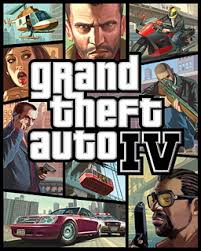
This refers to influential behavior of which video games can have among its audience. This article refers to the debate involving the influence GTA has had on a young male.
It could be argued that the current growth of the graphical quality of video games make the risk of 'Copy Cat' behavior potentially higher due to the realistic features.
Areas of sexuality, violence and language are also referred to by the BBFC when classifying the particular video game.
EXAM- it may be possible that your exam question may cover the term technological development. It would then be useful to mention areas such as the growth of graphical quality in terms if production and consumption and discuss how this technological development has had an impact within your case studies. E.G content/target audience/issue.
TASK:
Research into a game which plays on the representation of sexuality and/or violence. Discuss the following:
Content and Structure- what is the game about- examples of specific representations from the game.
Target Audience- who is the video game aimed at?- what age has it been classified?
Issues- what issues might surround the game?
Representation of women as sexual objects is also apparent in Video Games today.
Red Dead Redemption produced by Rockstar is an example of this. Here is a post discussing the apperance of sexual images and violence in - Red Dead Redemption
There are certain issues which appear within society when such portrayals are evident in Video Games. For example 'Copy Cat' behavior.
This refers to influential behavior of which video games can have among its audience. This article refers to the debate involving the influence GTA has had on a young male.
It could be argued that the current growth of the graphical quality of video games make the risk of 'Copy Cat' behavior potentially higher due to the realistic features.
Areas of sexuality, violence and language are also referred to by the BBFC when classifying the particular video game.
EXAM- it may be possible that your exam question may cover the term technological development. It would then be useful to mention areas such as the growth of graphical quality in terms if production and consumption and discuss how this technological development has had an impact within your case studies. E.G content/target audience/issue.
TASK:
Research into a game which plays on the representation of sexuality and/or violence. Discuss the following:
Content and Structure- what is the game about- examples of specific representations from the game.
Target Audience- who is the video game aimed at?- what age has it been classified?
Issues- what issues might surround the game?
Friday, 11 November 2011
Tuesday, 8 November 2011
Monday, 7 November 2011
Task Session: Production, Consumption and Exchange
Task ONE Production: Read through the following article and produce a summery of your understanding. Do NOT copy, use your own words to complete your summery.
Models of Production (From Daves Media Blog: LongRoad Media)
Models of Production (From Daves Media Blog: LongRoad Media)
Different models of production
Here are few examples of other ways you can make videogames. The first is a business model but brings home just how expensive it is to make games these days especially for the PS3 and 360.
The Indie game scene is really growing and represents the other extreme from GTA and any Iphone game would make a good case study.
The Indie game scene is really growing and represents the other extreme from GTA and any Iphone game would make a good case study.
‘Tent Pole’ business model
This is similar to the business model a lot of Hollywood studios: the idea is that the publisher releases one ‘blockbuster’ game accompanied with heavy marketing and investment. Then the money made from this game supports the development of other ‘riskier’, potentially more creative games.
For instance: Grand Theft Auto brings in a lot of money for Rockstar which allows them to invest smaller hits such as Canis Canem Edit, Manhunt and future products such as LA Noire andAgent.
Capcom use franchises like Resident Evil to pay for No More Heroes or Killer 7.
EA rely on the annual updates of Madden and FIFA to create cash for the research and development of other games. In 2008 EA spent $372million on research and development, the reason for this is that PS3 and Xbox 360 games can cost up to $30 million to make.
EA rely on the annual updates of Madden and FIFA to create cash for the research and development of other games. In 2008 EA spent $372million on research and development, the reason for this is that PS3 and Xbox 360 games can cost up to $30 million to make.
The problem with this is the company are gambling on that one game being a hit, and sometimes even big games don’t return the money – e.g. Spore, sold 1 million copies in its first 17 days, but the development costs were so big EA only expect to make their money back with 5 years of updates and sequels.
Hollywood model
The idea is to contract out parts of the games design (art, car physics, quality assurance etc.) to other companies in order to lower development costs. So instead of having a permanent in-house development team of 50+, developer can have a team of 10-20 piecing the work together undertaken by specialist external teams. This is like the Hollywood idea where specialists (stunt teams, Director of Photography, scriptwriters) are hired in for particular films rather than working for the studio in a full time capacity. e.g. Wideload Games developer of Stubbs the Zombie
Interview with Wideload Games chief – Alex Seropian
"My solution was to have a core team of 12 guys who come up with the concepts, design the games, and prototype them," Seropian explains. "When it comes time to do the actual production work -- that is, building the thousands and thousands of assets that go into a game -- all that is done by independent contributors, by contractors."
According to Seropian, if all the work on "Stubbs" had been done in-house, it would have required a full-time staff of 65-70. Instead, his 12 employees began 18 months ago and spent six to eight months to plan the project. Then, outside contractors took another six to eight months to build the assets. And now the internal team is filling another six months assembling it. All told, contractors accounted for about 75% of the work hours. As a result, the project cost 35% less to produce than if it had been produced entirely in-house.
Cursed Mountain (Wii)
Cursed Moutain’s design and concept was created by Deep Silver Vienna but much of the assets were created by Sproing Interactive, Rabcat, Immersive Games, Perspective Studios.
Cursed Moutain’s design and concept was created by Deep Silver Vienna but much of the assets were created by Sproing Interactive, Rabcat, Immersive Games, Perspective Studios.
Developing without a Publisher
The most common model of development had developer pitching for investment from publishers or the publisher hiring a developer for a job, but occasionally you can get developers that begin on a project without a publisher. The risk is that their game might never be released and they have to raise the capital themselves, but what it does do is give them more creative freedom and no pressure from the publisher in terms of deadlines.
E.g. Games developer Avalanche worked on Just Cause before it was picked up by Eidos.
Also there is a game in development called The Outsider from developer Frontier Developments that hasn’t got a publisher.
Independent Game development
Until recently games development was a costly business, usually requiring a developer to a have a publishing contract in order to pay for the development and the license fee required to develop for a particular console. However, now there is a growing ‘Indie Game’ market thanks to open source software, Apples App Store and Xbox Live Marketplace small teams and even individuals can create games, get them distributed and make money.
The point to make is that because of new technology, convergence and new ways of distribution we have a return to the bedroom development culture weird, wonderful, often abstract games – so it means not all games have to be GTA 4.
Developing for the PlayStation Network, Wii Ware, Xbox Live Marketplace
Each console has an online store where ‘indie games’ can be bought. However, unlike release a game for the PC, Nintendo, Sony and Microsoft have certain criteria that needs to met before they agree to distribute a game.
Aside from basic development costs, console game developers are required to pay fees to license the required Software Development Kits (SDKs) from the console manufacturer. Manufacturers often impose a strict approval process and take a percentage of the game's net profit in addition to yearly developer fees. As of this writing, to develop for Nintendo Wii, Xbox 360, or Playstation 3 requires an SDK license fee of between $2,000 and $10,000 USD, in addition to yearly developer fees and profit cuts.
Interestingly Sony have slashed the SDK cost from $10,000 to $2,000 in order to cut development costs and hopefully increased third-party productivity.
Each console has an online store where ‘indie games’ can be bought. However, unlike release a game for the PC, Nintendo, Sony and Microsoft have certain criteria that needs to met before they agree to distribute a game.
Aside from basic development costs, console game developers are required to pay fees to license the required Software Development Kits (SDKs) from the console manufacturer. Manufacturers often impose a strict approval process and take a percentage of the game's net profit in addition to yearly developer fees. As of this writing, to develop for Nintendo Wii, Xbox 360, or Playstation 3 requires an SDK license fee of between $2,000 and $10,000 USD, in addition to yearly developer fees and profit cuts.
Interestingly Sony have slashed the SDK cost from $10,000 to $2,000 in order to cut development costs and hopefully increased third-party productivity.
BraidBraid was created by Jonathan Blow, taking three years and $180,000 of this own investment , to make. It was originally release for the PC and sold 55,000 copies in first week (making £530,000 in revenue).
Blow then agreed to release a version for the Xbox Live Marketplace but had reservations as Microsoft have the final say on what goes on there and have a four stage approval process:
‘Blow was critical of the Xbox Live certification process, as he believed the effort to meet all the requirements could have been better spent on polishing the game. At the same time, the certification team allowed him to retain certain aspects of his vision for the game that were otherwise contrary to the process, including giving the player immediate control of the game instead of requiring a start-up title screen.[52] Microsoft also requested that Blow include some additional hints to the player based on results of playtesting, but Blow held his ground, refusing to release the game if he was forced to add these.[21] He said he would likely not release a game again on the Xbox Live service under the same business model.’ (Wikipedia)
Blow then agreed to release a version for the Xbox Live Marketplace but had reservations as Microsoft have the final say on what goes on there and have a four stage approval process:
‘Blow was critical of the Xbox Live certification process, as he believed the effort to meet all the requirements could have been better spent on polishing the game. At the same time, the certification team allowed him to retain certain aspects of his vision for the game that were otherwise contrary to the process, including giving the player immediate control of the game instead of requiring a start-up title screen.[52] Microsoft also requested that Blow include some additional hints to the player based on results of playtesting, but Blow held his ground, refusing to release the game if he was forced to add these.[21] He said he would likely not release a game again on the Xbox Live service under the same business model.’ (Wikipedia)
Developing for the iPhone
The iPhone SDK is a software development kit developed by Apple , targeted at third-party developers to develop applications for iPhone OS, released in February 2008. The SDK itself is a free download, but in order to release software, one must enroll in the iPhone Developer Program, a step requiring payment and Apple's approval. As of January 2010, cost of enrollment in the iPhone Developer Program is US$99 per year (the cost varies from country to country) for the standard program.
The iPhone SDK is a software development kit developed by Apple , targeted at third-party developers to develop applications for iPhone OS, released in February 2008. The SDK itself is a free download, but in order to release software, one must enroll in the iPhone Developer Program, a step requiring payment and Apple's approval. As of January 2010, cost of enrollment in the iPhone Developer Program is US$99 per year (the cost varies from country to country) for the standard program.
Developers who publish their applications on the App Store will receive 70% of sales revenue, and will not have to pay any distribution costs for the application.
Examples – Doodle Jump, released April 2009, it has had nearly 4 million downloads. Doodle Jump is the brainchild of Igor and Marko Pusenjak, two Croation brothers who released the app under the banner of their company Lima Sky. Click here for an interesting interview with one of the developers.
Facebook
Zynga is a ‘casual’ games developer that specialise company develops browser-based games that work both stand-alone and as application widgets on social networking websites such as Facebook and MySpace.
This is possible as Facebook has ‘open’ technology that allows third party companies to develop software for it. Zynga’s big success is Farmville which is a simple game and has an effective business model – the game is free to download, but the items within the game cost money – but significantly, not much money. These are called micro-transactions – small on their own but once the 82.4 active Farmville users get involved you can see how the revenue builds-up.
In terms of development these are easy to create games but as they are online and ‘live’ they require a team of engineers to maintain the smooth running of it.
How is this different from the past? give specific examples from produced video games! Use the internet for research.
Task Three Exchange: Interview 5 people on how they get hold of the games they play. How do they pay for such games? what methods are used? collect your findings and answer the following:
How many different ways do people pay for games? what methods are they?
Which games have been discussed in your interview? do they each have a different method of exchange if so why?
Friday, 4 November 2011
The Games Industry: Focus on Structure
The games industry- Industry Structure
View more presentations from cigdemkalem
Retailers
There are three different types of retailers in the video games industry.
(1) Physical Brick and Mortar Hubs: (Wal-Mart, Circuit-City, Radio-Shack)
These companies all have sections in their stores where they sell both hardware consoles as well as video games.
(2) Virtual Hubs: (Amazon)
As it works for other products, virtual hubs, like Amazon, present an outlet for buyers to search for hardware and software online and then make a purchase.
(3) Specialty Brick and Mortar Hubs: (GameStop)
Headquartered in Grapevine, Texas GameStop is the largest games retailer in the United States and has over 6,000 locations worldwide.GameStop sells more than just video games and consoles – selling video game publications (strategy guides, magazines) as well. GameStop also buys back games and titles from games and resells them to others. In 2008, GameStop generated revenues of $7 billion.
(from http://sites.duke.edu/soc142-videogames/)
Monday, 31 October 2011
Thumb Candy Documentary (Analysis Task)
Watch the following documentary and note down any important facts. You will then compare notes with you partner and prepare a 5 min presentation. Be prepared to present your findings to the rest of the class!
Institutions and Audiences Introduction
G322video games lsn 1
View more presentations from cigdemkalem
(presentation from longroadmedia)
OCR Section B G322 Exam
Candidates should be prepared to understand and discuss the processes of production, distribution, marketing and exchange.
Also, candidates should be familiar with the following;
The issues raised by media ownership in contemporary media practice.
The importance of cross media convergence and synergy in production, distribution and marketing
The technologies that have been introduced in recent years at the levels of production, distribution marketing and exchange.
The significance of proliferation in hardware and content for institutions and audiences.
The importance of technological convergence for institutions and audiences.
The issues raised in targeting of national and local audiences (specifically British) by international or global institutions.
The ways in which candidates own experiences of media consumption illustrate wider patterns and trends of audience behavior.
(presentation from longroadmedia)
OCR Section B G322 Exam
Candidates should be prepared to understand and discuss the processes of production, distribution, marketing and exchange.
Also, candidates should be familiar with the following;
The issues raised by media ownership in contemporary media practice.
The importance of cross media convergence and synergy in production, distribution and marketing
The technologies that have been introduced in recent years at the levels of production, distribution marketing and exchange.
The significance of proliferation in hardware and content for institutions and audiences.
The importance of technological convergence for institutions and audiences.
The issues raised in targeting of national and local audiences (specifically British) by international or global institutions.
The ways in which candidates own experiences of media consumption illustrate wider patterns and trends of audience behavior.
Subscribe to:
Comments (Atom)